Our Blog
When Skin Infections Keep Coming Back: Pyoderma in Dogs and Cats

Skin issues are one of the most common reasons pets end up at the vet. For many itchy dogs and cats, the underlying problem is pyoderma, a bacterial infection of the skin.
According to Dr. Clarissa Souza, a board-certified veterinary dermatologist at the University of Illinois Veterinary Teaching Hospital, understanding what causes pyoderma is the key to treating it effectively – and preventing it from returning.
“Pyoderma is always secondary to an underlying disease,” Dr. Souza explains. “In dogs and cats, the most common primary disease is allergies.”
Dermatology Services at Medical District Vet Clinic
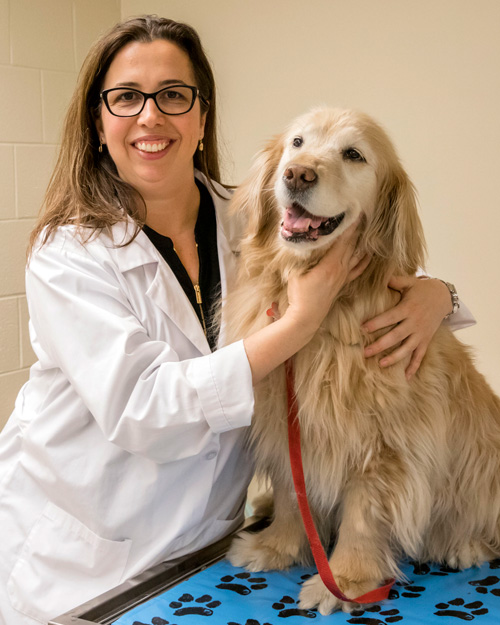
Since November 2025, Dr. Clarissa Souza, a boarded dermatologist from the University of Illinois Veterinary Teaching Hospital, has offered appointments on a part-time basis at the Medical District Veterinary Clinic in Chicago. She diagnoses and treats allergies, skin infections, ear diseases, hair loss, nail and nail bed diseases, itching/scratching/biting, and more.
Please call 312-226-2588 to schedule a dermtology appointment for your pet.
Signs of Pyoderma
Unlike people, who often show their allergies through sneezing or watery eyes, allergic animals primarily have their skin affected and secondary bacterial infections aggravate the problem. And for owners, the signs are usually hard to miss.
“Most animals with skin infections are itchy,” Dr. Souza points out. “Sometimes they are already itchy because of allergies, and they get markedly itchier because of the pyoderma.” Owners may also notice visible changes. “If owners see some scaling, small pink lesions resembling mosquito bites, or yellowish crusts, they should bring their animal to the veterinarian.”
While many owners worry that certain breeds are more prone to pyoderma, Dr. Souza stresses that the bigger issue is allergy prevalence. “I personally don’t think there is one breed of dog that is more predisposed than others,” she notes. “All allergic dogs can have pyoderma.”
Diagnosing Pyoderma
One of the most important messages Dr. Souza hopes to convey to pet owners is that pyoderma must be properly diagnosed.
“Cytology is essential to confirm pyoderma,” she says. “Without cytology, we can suspect, but we will not have a definitive diagnosis.” For cytology, veterinarians collect samples from the skin and examine them under a microscope.
Sometimes veterinarians will culture the bacteria found on the pet’s skin to identify which antibiotics the bacteria respond to. “Culture is recommended when we suspect resistant infections,” Dr. Souza explains. Classic candidates for culture tests include pets that have had multiple antibiotic courses, infections that don’t resolve with treatment, or new pyoderma lesions that appear despite antibiotics administration.
Treating Pyoderma
Dr. Souza supervised a clinical trial at the University of Illinois evaluating how long dogs need antibiotics for superficial pyoderma, the most common form of the disease.
“The main goal of this study was to determine the ideal duration of antibiotic prescriptions,” she says. “At the end, we saw that two weeks of systemic antibiotic treatment should be enough for the great majority of superficial pyoderma cases. We may even be able to use it for a shorter period if topical antibacterial treatment is prescribed together.”
Additionally, and of importance, Dr. Souza notes: “That’s the idea nowadays: to try to use as little as possible of antibiotics so that we are not allowing bacteria to develop resistance.”
She also warns owners against using leftover antibiotics or stopping treatment early. “Failing to complete the full course of antibiotics or using antibiotics prescribed for something else could contribute to bacterial resistance,” she says.
Finally, rechecks are essential so veterinarians can re-assess the skin infection and determine whether it has resolved.
Treating Early, Addressing the Cause
The longer pyoderma goes untreated, the more uncomfortable pets become – and the more likely the infection is to spread, recur, or require aggressive treatment later. Early diagnosis and proper management of the underlying allergy, endocrine issue, or other skin disorders are essential to prevent these infection cycles from repeating.
For owners frustrated by their pet’s repeated pyoderma, Dr. Souza stresses the need to address the underlying problem, which is often allergies.
Most current research focuses on allergy control to get at the root of the problem. “We’ve been seeing companies developing more options for allergy treatment,” Dr. Souza says. “That’s been the focus. Not specifically pyoderma, but controlling the underlying disease.”
With advances in allergy care, dermatologists hope future patients will experience fewer bacterial infections overall.
Importance of Vaccines in Cats and Dogs
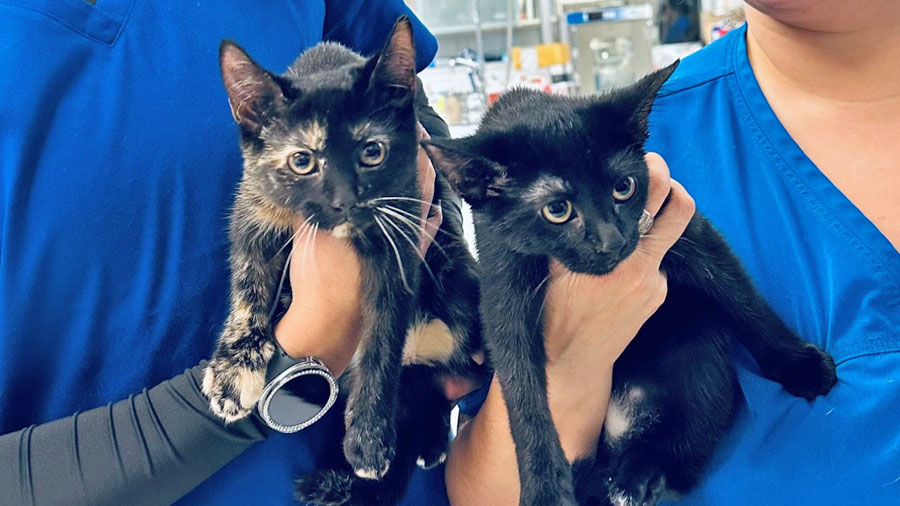
As some might have heard, a dog recently tested positive for rabies in Chicago, Illinois. This is the first reported case in Cook County since the 1960s. This development is very alarming and can raise many questions and concerns.
Officials stated that public risk remains low. However, it is very important for pet owners to review current vaccination statuses of ALL pets in the home and monitor for any behavior changes.
Cook County Department of Animal and Rabies Control Confirms Rabies-Positive Dog (cookcountyil.gov)
Vaccines are critical for cats and dogs. They are started at a young age and require a booster dose to ensure adequate immunity. The timing of the booster is also very important. If a shot is missed, then the series must be re-initiated.
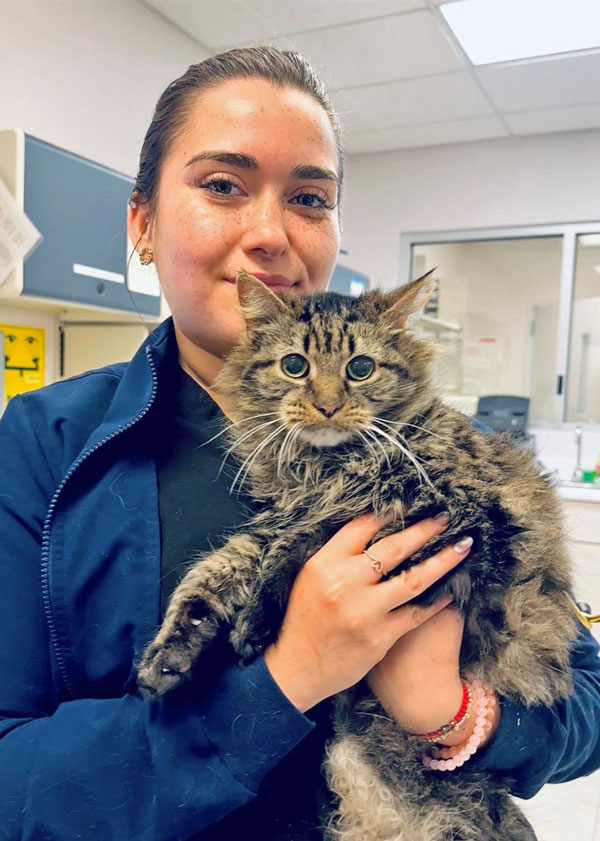
There are core vaccines and lifestyle vaccines. Core vaccines are recommended in every patient, whereas lifestyle vaccines are dependent on your pet’s activity and lifestyle.
When you vaccinate your pets, you’re providing them with the immunity needed to fight off potentially life-threatening diseases.
Rabies Vaccine in Dogs AND Cats
Rabies is transmitted via bite wounds, usually by wildlife such as skunks, bats, raccoons, and foxes. This virus attaches to local muscle cells, penetrates local nerves, then ascends to the brain.
There is no reliable, effective treatment for rabies, and infection usually results in death of the infected animal. Once clinical signs are present, death can occur within 10 days. Clinical signs can include restlessness, aggression, excessive drooling, and lethargy.
It is highly recommended to vaccinate at 4 months of age. However, the vaccine can be administered at an earlier age on a case-by-case basis. Early vaccination is common in shelter settings.
The first vaccine is a 1-year vaccine. The following year your pet can get either the 1-year or the 3-year rabies vaccine. Having your pet vaccinated with the rabies vaccine is required by law.
If your pet bites another animal or human and is not up to date on their rabies vaccine, they might have to be confined and observed at a veterinary facility for 10 days. If the animal shows clinical signs or if there is suspicion that the pet might have rabies, their brain tissue must be submitted for sampling. This means that they must be humanely euthanized for tissue submission.
Regulations can vary by state and county, so it is important to keep up with current regulations. You can visit rabiesaware.org for more information regarding regulations in your area.
Prevention consists of vaccination as well as limiting exposure to wildlife.
Please visit your local veterinarian if your pet is not up to date on their rabies vaccine.
Vaccines in Dogs
Distemper (DAPP)
The distemper vaccine protects against the Distemper Virus, Adenovirus 1 & 2, Parvovirus, and Parainfluenza virus. Parvovirus is one of the most common viruses that this vaccine covers.
Without treatment this virus can be fatal. Intensive care (usually is supportive care) is essential for dogs infected with parvovirus. It is important to understand that this can mean a 5- to 7-day hospitalization, potential long-term organ damage, as well as an expensive bill depending on how severe your dog’s signs are. https://veterinarypartner.vin.com/default.aspx?pid=19239&id=4951468
The DAPP vaccine is started at 8 weeks of age and must be boostered at least three times, 3 to 4 weeks apart. This means that your puppy will get a DAPP vaccine at 8 weeks old, 12 weeks old, and 16 weeks old. After the initial puppy series, the vaccine becomes annual. A 3-year vaccine is available after the initial series.
Leptospirosis
Leptospirosis is a bacteria that can enter the body via open wounds or mucus membranes. Dogs can become infected via infected urine or infected water and soil. This bacterium can survive for weeks to months in the environment, so it is important to have your pet vaccinated if you live in an area that has a high rodent population.
Leptospirosis is zoonotic which means that humans can get infected as well. Infection can quickly lead to organ damage and can severely affect the liver and kidneys. Clinical signs can be very nonspecific, and treatment consists of antibiotics and supportive care. https://veterinarypartner.vin.com/default.aspx?pid=19239&id=4952105
The leptospirosis vaccine is highly recommended in pets living in areas that have a high rodent population, like Chicago. It can be given as early as 12 weeks of age and requires a booster vaccine 3 to 4 weeks after the initial dose. It then becomes annual.
Bordetella
The canine Bordetella vaccine covers Canine Kennel Cough. It is recommended to be given annually or, in some cases, every 6 months.
Bordetella is spread via respiratory secretions from an infected dog. Clinical signs can range from mild to severe symptoms and treatment is dependent on severity. Various boarding and grooming facilities require this vaccine in order to attend their facility. https://veterinarypartner.vin.com/default.aspx?pid=19239&id=4951478
Canine Influenza Virus (CIV)
The canine influenza virus vaccine is a lifestyle vaccine recommended in patients that go to frequent boarding or grooming facilities. Clinical signs can be very similar to Bordetella and can include cough, sneezing, and nasal discharge. Outbreaks are most commonly associated with kennels where dogs are in close contact with other dogs. This virus is spread via nasal secretions. The influenza vaccine requires one additional booster given 3 to 4 weeks after the first initial dose; after that it becomes annual.
Lyme
The canine Lyme vaccine is a lifestyle vaccine. It is recommended in dogs that live in highly wooded areas or in pets that frequently go to forest preserves or camping.
Lyme disease is spread via a bite from infected ticks and can be diagnosed with a SNAP 4DX heartworm test, which entails a blood sample for your dog. Clinical signs can vary and can be very nonspecific. Treatment consists of antibiotics and managing secondary symptoms.
Prevention is cheaper than cure. Additionally, ensuring that your dog is on an appropriate flea/tick preventative is important.
The Lyme vaccine can be given any time after 12 to 16 weeks of age and requires one additional booster 3 to 4 weeks after the first initial dose. After that, it is given annually. https://veterinarypartner.vin.com/default.aspx?pid=19239&id=4952009
Vaccines in Cats
FVRCP
FVRCP stands for Feline Viral Rhinotracheitis, Calicivirus, and Panleukopenia. These can be very contagious and life-threatening infectious diseases. These viruses can suppress the immune system, leaving the infected individual immunosuppressed and vulnerable to other infectious diseases.
The FVRCP (cat distemper) vaccine series should be started at 6 to 8 weeks of age. This vaccine requires boosters every 3 to 4 weeks until your kitten is 16 weeks old. This vaccine is also available in a 3-year vaccine after your kitten’s initial vaccine series.
Feline Leukemia Virus (FeLV)
The feline leukemia vaccine is highly recommended in indoor/outdoor cats due to their frequent socialization and encounter with other cats. FeLV is spread via close social contact with saliva, blood, urine, or feces. There is no effective treatment. Therefore, treatment consists of supportive care. Prognosis after infection can be variable.
This vaccine series requires a booster 3 to 4 weeks after initial dose.
If your pet is not up to date on their wellness exam or vaccines, please schedule an appointment with your primary care veterinarian.
By Dr. Angélica Calderón
Importancia de las vacunas en gatos y perros
Como algunos habrán oído, un perro en Chicago, Illinois salio positivo recientemente con el virus de la rabia, el primer caso reportado en el condado de Cook desde la década de 1960. Esto es muy alarmante y puede generar muchas preguntas e inquietudes. Las autoridades afirmaron que el riesgo público sigue siendo bajo; sin embargo, es fundamental que los dueños de mascotas revisen el estado de vacunación de todas sus mascotas y estén atentos a cualquier cambio de comportamiento.
Cook County Department of Animal and Rabies Control Confirms Rabies-Positive Dog (cookcountyil.gov)
Las vacunas son fundamentales para perros y gatos. Se inician a una edad temprana y requieren una dosis de refuerzo para asegurar una inmunidad adecuada. El momento de la dosis de refuerzo también es muy importante; si se omite, se debe reiniciar la serie. Existen vacunas esenciales y vacunas adaptadas al estilo de vida. Las vacunas esenciales se recomiendan para todos los pacientes, mientras que las vacunas adaptadas al estilo de vida dependen de la actividad y el estilo de vida de su mascota. Al vacunar a sus mascotas, les proporciona la inmunidad necesaria para combatir enfermedades potencialmente mortales.
Vacuna Contra la Rabia en Perros y Gatos
La rabia se transmite por mordeduras, generalmente de animales silvestres como zorrillos, murciélagos, mapaches y zorros. Este virus se adhiere a las células musculares locales, penetra los nervios locales y luego asciende al cerebro. No existe un tratamiento eficaz y confiable para la rabia, y la infección generalmente causa la muerte del animal infectado. Una vez que aparecen los signos clínicos, la muerte puede ocurrir en un plazo de 10 días. Los signos clínicos pueden incluir inquietud, agresividad, babeo excesivo y letargo.
Se recomienda encarecidamente vacunar a los 4 meses de edad; sin embargo, se puede administrar a una edad más temprana según el caso; esto se hace comúnmente en refugios. La primera vacuna es la del 1 año; sin embargo, al año siguiente, su mascota puede recibir la vacuna antirrábica del 1 año o de los 3 años.
La ley exige que su mascota reciba la vacuna antirrábica.
Si su mascota muerde a otro animal o a una persona y no tiene la vacuna antirrábica al día, podría tener que permanecer confinada y en observación en un centro veterinario durante 10 días. Si el animal muestra signos clínicos o se sospecha que podría tener rabia, se debe enviar su tejido cerebral para su análisis. Esto significa que debe ser sacrificado humanitariamente para el envío de tejido. Las regulaciones pueden variar según el estado y el condado, por lo que es importante mantenerse al día con las regulaciones vigentes. Puede visitar rabiesaware.org para obtener más información sobre las regulaciones en su área. La prevención consiste en la vacunación y en limitar la exposición a la fauna silvestre.
Si su mascota no tiene la vacuna antirrábica al día, visite a su veterinario local. https://veterinarypartner.vin.com/default.aspx?pid=19239&id=4951479
Vacunas en Perros
Distemper(DAPP)
La vacuna de distemper protege contra el virus del distemper, adenovirus 1 y 2, parvovirus y virus de la parainfluenza. El parvovirus es uno de los virus más comunes que cubre esta vacuna. Sin tratamiento, este virus puede ser mortal. Los cuidados intensivos son esenciales para el tratamiento de un perro infectado con parvovirus y el tratamiento generalmente es de apoyo. Es importante entender que esto puede significar una hospitalización de 5 a 7 días, así como una factura costosa dependiendo de la gravedad de los síntomas de su perro. https://veterinarypartner.vin.com/default.aspx?pid=19239&id=4951468
La vacuna DAPP se inicia a las 8 semanas de edad y debe ser reforzada al menos 3 veces, con 3-4 semanas de diferencia. Esto significa que su cachorro recibirá una vacuna DAPP a las 8, 12 y 16 semanas de edad. Después de la serie inicial para cachorros, la vacuna se vuelve anual, aunque también está disponible una vacuna de 3 años después de la serie inicial.
Leptospirosis
La leptospirosis es una bacteria que puede ingresar al cuerpo a través de heridas abiertas o membranas mucosas. Los perros pueden infectarse a través de orina, agua y tierra infectadas. Esta bacteria puede sobrevivir de semanas a meses en el medio ambiente, por lo que es importante vacunar a su mascota si vive en una zona con una alta población de roedores. La leptospirosis es zoonótica, lo que significa que los humanos también pueden infectarse. Esto puede provocar rápidamente daño orgánico y afectar gravemente el hígado y los riñones. Los signos clínicos pueden ser muy inespecíficos y el tratamiento consiste en antibióticos y cuidados paliativos; sin embargo, en casos graves puede provocar daño orgánico irreversible.
La vacuna contra la leptospirosis es muy recomendable para mascotas que viven en zonas con una alta población de roedores, como Chicago. Puede administrarse a partir de las 12 semanas de edad y requiere una vacuna de refuerzo de 3 a 4 semanas después de la dosis inicial; luego, se vuelve anual.
Bordetella
La vacuna canina contra la Bordetella cubre la tos de las perreras caninas y se recomienda administrarla anualmente; sin embargo, en algunos casos, se recomienda administrarla cada 6 meses. La Bordetella se propaga a través de secreciones respiratorias de un perro infectado. Los signos clínicos pueden variar de leves a graves, y el tratamiento depende de la gravedad. Varias instalaciones de alojamiento y peluquería canina requieren esta vacuna para poder asistir a sus instalaciones. https://veterinarypartner.vin.com/default.aspx?pid=19239&id=4951478
Virus de la influenza canina (CIV)
La vacuna contra el virus de la influenza canina es una vacuna de estilo de vida recomendada para pacientes que asisten frecuentemente a instalaciones de alojamiento o peluquería canina. Los signos clínicos pueden ser muy similares a los de la Bordetella y pueden incluir tos, estornudos y secreción nasal. Los brotes se asocian más comúnmente con perreras donde los perros están en estrecho contacto con otros perros y este virus se propaga a través de secreciones nasales. La vacuna contra la gripe requiere una dosis de refuerzo adicional administrada 3 o 4 semanas después de la primera dosis inicial; después de esa dosis, se vuelve anual.
Lyme
La vacuna canina contra la enfermedad de Lyme es una vacuna que se aplica de su estilo de vida. Se recomienda para perros que viven en zonas boscosas o si su mascota visita con frecuencia reservas forestales o campamentos.
La enfermedad de Lyme se transmite por la picadura de garrapatas infectadas y se puede diagnosticar mediante una prueba de dirofilariosis SNAP 4DX, que requiere una muestra de sangre del perro.
Los signos clínicos pueden variar y ser muy inespecíficos. El tratamiento consiste en antibióticos y el manejo de los síntomas secundarios. Prevenir es más económico que curar, y es importante asegurarse de que su perro reciba un tratamiento preventivo adecuado contra pulgas y garrapatas.
La vacuna de Lyme se puede administrar en cualquier momento después de las 12 a 16 semanas de edad y requiere una dosis de refuerzo adicional de 3 a 4 semanas después de la primera dosis inicial; posteriormente, se administra anualmente.
Vacunas en Gatos
FVRCP
FVRCP significa rinotraqueítis viral felina, calicivirus y panleucopenia. Estas pueden ser enfermedades infecciosas muy contagiosas y potencialmente mortales. Estos virus pueden suprimir el sistema inmunitario, dejando al individuo infectado inmunodeprimido y vulnerable a otras enfermedades infecciosas. La serie de vacunas FVRCP (moquillo felino) debe iniciarse a las 6-8 semanas de edad. Esta vacuna requiere refuerzos y se refuerza cada 3-4 semanas hasta que su gatito tenga 16 semanas de edad. Esta vacuna también está disponible en una de 3 años que se puede administrar el año siguiente después de la serie de vacunas inicial de sus gatitos
Virus de la leucemia felina
La vacuna contra la leucemia felina es muy recomendable en gatos de interior/exterior debido a su frecuente socialización y encuentro con otros gatos. El FeLV (virus de la leucemia felina) se transmite a través del contacto social cercano con saliva, sangre, orina y heces. No existe un tratamiento eficaz, por lo que el tratamiento consiste en cuidados paliativos. El pronóstico tras la infección puede ser variable. Al iniciar esta serie de vacunas, se requiere una dosis de refuerzo 3-4 semanas después de la dosis inicial.
Si su mascota no está al día con su chequeo de bienestar o sus vacunas, programe una cita con su veterinario más cercano.
By Dr. Angélica Calderón
Four Heart Abnormalities Add up to Tetralogy of Fallot
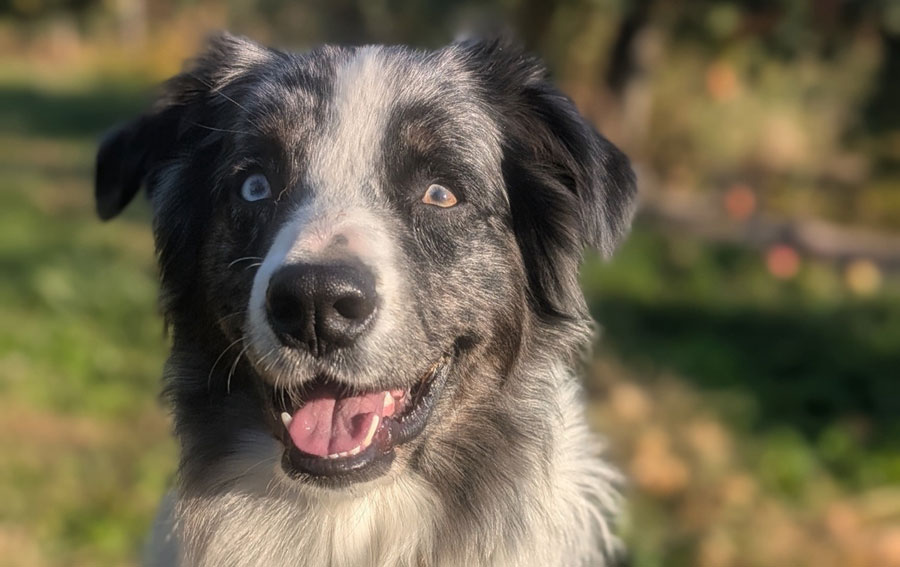
A puppy born with a rare heart condition—Tetralogy of Fallot—got a second chance at life, thanks to a collaboration involving a visiting veterinary heart surgeon and the cardiology and surgery teams at the University of Illinois Veterinary Teaching Hospital.
Odyssey, an Australian shepherd, was only three months old and newly placed in a foster home when he started showing signs of a problem. After exercising, he began breathing heavily and had trouble standing up on his own. He would lean up against the fence just to stay standing and was having uncontrollable tremors. (article continues below)
Cardiology Services at Medical District Vet Clinic
Since November 2025, boarded cardiologists from the University of Illinois Veterinary Teaching Hospital have offered appointments on a part-time basis at the Medical District Veterinary Clinic in Chicago. Services offered include pre-anesthetic echocardiograms, Holter monitoring, management of stable cardiac disease, rechecks, and more. Please call 312-226-2588 to schedule a cardiology appointment for your pet.
Patients with emergent or critical cardiac disease should seek immediate attention and should not wait to see a cardiologist at the clinic.
Dr. Todd Sumerfield, a veterinarian pursuing specialization in veterinary cardiology at the College of Veterinary Medicine, explains how the Illinois team diagnosed Odyssey’s condition and arranged for his surgical intervention—a modified Blalock-Taussig shunt—that had never before been performed at the university hospital.
Diagnosing Tetralogy of Fallot
Noticing Odyssey’s post-exercise behaviors, his foster owners took him to their veterinarian, who identified a loud heart murmur and referred the case to the cardiology team at Illinois in August 2023.
“An echocardiogram was performed, as well as a packed cell volume,” Dr. Sumerfield says.
An echocardiogram allows doctors to visualize the heart as it beats within the patient. In Odyssey’s case, the echocardiogram identified all the defects associated with a condition known as Tetralogy of Fallot.
Packed cell volume measures the amount of red blood cells within the blood of the patient. When an animal has a heart condition leading to decreased oxygen in the blood, as in Tetralogy of Fallot, the body produces more red blood cells in an attempt to deliver more oxygen to the body’s tissues. Although the echocardiographic signs of Odyssey’s condition were severe, his packed cell volume was within the normal range, at 44%.
Dr. Sumerfield points out this normal finding “underlines that Odyssey was doing better than most dogs with this condition at the time of his diagnosis.”
What Is Tetralogy of Fallot?
“Tetralogy of Fallot is an uncommon, congenital heart disease,” Dr. Sumerfield says. “It occurs when the patient has four (thus ‘tetralogy’) concurrent abnormalities.”
To understand these abnormalities, it helps to recall how blood flows through the body. Blood is pumped from the heart’s right atrium to its right ventricle and then, via the pulmonary artery, to the lungs. After receiving oxygen from the lungs, the blood then travels back to the heart into the left atrium. From there it is pumped to the left ventricle, which pushes the blood into the large blood vessel called the aorta and on to the rest of the body.
After delivering its oxygen to tissues and organs, the deoxygenated blood travels back to the right atrium, where the cycle begins again.
In a Tetralogy of Fallot case, the animal is born with a narrowing of the pulmonary valve, which controls blood flow from the right side of the heart to the lungs. The animal also has a ventricular septal defect, which is an inappropriate opening in the septum, or wall, that separates the left and right ventricles. Additionally, the aorta, instead of being positioned over the left ventricle, sits over the left and right ventricular outflow tracts. In that location, the aorta accepts blood from both the left and right ventricles, sending a mixture of oxygenated and deoxygenated blood to the body’s tissues. Lastly, the right ventricle of the heart is abnormally thickened.
Heart Defects Lead to Low Oxygen
Dr. Sumerfield continues, “The narrowing of the pulmonary valve obstructs the outflow of the blood to the lungs. As a consequence, the right ventricle must pump harder to force the same volume of blood through a narrowed orifice.” Because the right ventricle functions just like any other muscle, as it “works out” harder, the muscle grows and thickens.
The ventricular septal defect means deoxygenated blood found in the right ventricle can flow into the left ventricle, where it is pushed into the body without having passed by the lungs to take on oxygen.
All four abnormalities are interrelated and contribute to the problem of low oxygen levels in circulating blood. Abnormally low circulating oxygen led to Odyssey’s exercise intolerance: he was unable to oxygenate his body properly while playing in the yard, making him easily tired.
In response to low oxygen in the body, the bone marrow receives instructions to produce more red blood cells. “When there are inappropriately high numbers of red blood cells in circulation, the blood can become more viscous, or thick. This change, in turn, can impair blood flow to the brain and lead to neurologic signs and even seizures.” Or, in Odyssey’s case, tremors.
Surgery: Modified Blalock-Taussig Shunt
Once Odyssey had a diagnosis, the next step was to determine a treatment approach. It is not typical to treat a patient with Tetralogy of Fallot with medications until there is evidence of heart failure. Phlebotomy (physical reduction of the number of red blood cells) and balloon valvuloplasty (a minimally invasive procedure to widen the pulmonary valve) were considered but both approaches had limitations.
Another option was surgical intervention using the modified Blalock-Taussig shunt. “This surgery involves redirecting mixed arterial blood flow back to the lungs for another pass at oxygenating the red blood cells,” explains Dr. Sumerfield. “The procedure is performed under general anesthesia via a left thoracotomy. A synthetic tube is placed to allow arterial blood to flow to the lungs. The goals of the procedure would be to improve forward flow through the lungs and have a higher percentage of oxygenated blood circulating at any one time.”
A shunt can be thought of as an alternate path, or a turn in the road. It provides the blood with somewhere else to go. Shunts that arise naturally may be present at birth or may be “acquired” by the body after certain stressors. However, in this surgery, an artificial shunt is placed to redirect blood from where it was going into the body (with no oxygen supply) back to the pulmonary artery (which feeds into the lungs) so it can receive its oxygen load.
Odyssey Still Going Strong
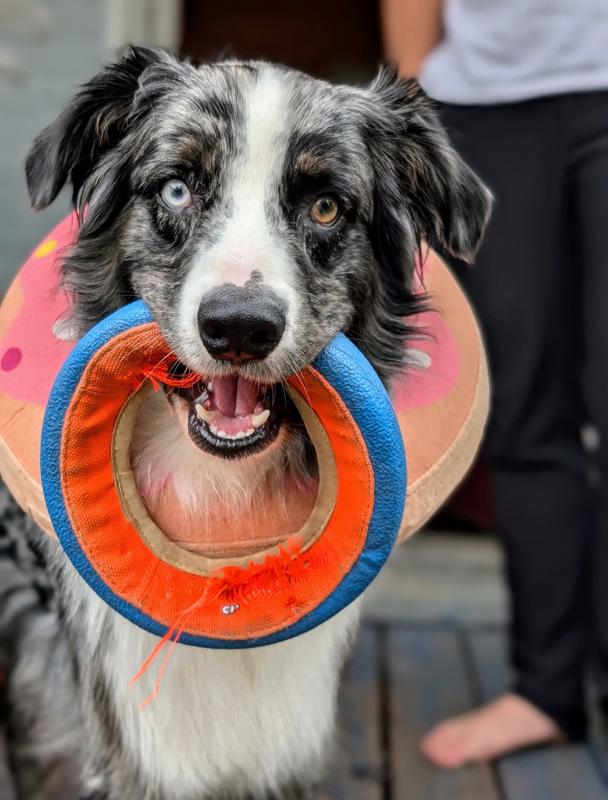
Although Odyssey’s clinical signs were not severe, they were getting progressively worse. After his fosters decided to pursue the modified Blalock-Taussig shunt surgery, the University of Illinois cardiology service conferred with surgeons across the country, and Dr. Brian Sutherland, a veterinary cardiothoracic surgeon from the University of Georgia, agreed to perform the surgery. The modified Blalock-Taussig shunt surgery was performed at the Veterinary Teaching Hospital in September 2024, when Odyssey was 1 year, 4 months old. The surgery was successful and Odyssey recovered well.
After two days in the hospital, Odyssey was sent home with pain relievers, sedation, and a strict exercise restriction for two weeks. He was also given six months of blood thinners to decrease the risk of a clot forming in the newly implanted synthetic shunt.
“If left untreated, most dogs with Tetralogy of Fallot will die before reaching one year of age,” says Dr. Sumerfield. “There is limited information regarding life expectancy in dogs who have had the modified Blalock-Taussig shunt procedure, but one journal article found that patients lived for an average of 7 years after the procedure.”
Odyssey is currently more than two years old and continuing to improve. His ability to exercise has improved significantly and his tremors have resolved. Recent rechecks have shown that Odyssey’s shunt is still working.
His fosters have formally adopted Odyssey and are hoping Odyssey lives a long and happy life.
What’s the Deal with Grapes?

Disclaimer: The following is merely surmised from my professional knowledge and opinion on grape toxicity in the field of veterinary medicine, and not my fealty to the Kritzman family creed:
“No raisin shall reside in a baked good where a chocolate chip may be instead.”
The cookie trays and Grandma Sally’s dessert grab bag at the Kritzman family Chanukah party have been a time-honored tradition since before I was born. Now, as a mother myself, I help make the dozen different types of cookies that are needed to provide dessert to the Kritzman clan.
But there is one ingredient I will not bake with in my home, and that’s raisins. We almost never have grapes in the house either. Not because of the Kritzman creed, but because of my dog Emmie. She is our little hoover. As much as I appreciate her cleaning up after my two-year-old’s attempts to make her own taco with shredded cheese, Emmie will not hesitate to eat a grape or raisin if she gets the opportunity.
What’s the big deal about dogs and grape ingestion? Why are they toxic? For much of my career, the veterinary community didn’t really know. We were taught that grapes could be toxic, and even one could put a dog in kidney failure, but we don’t know which dogs or type of grape would cause this.
This lack of knowledge made me loathe grape toxicity as an emergency veterinarian. Not only because of the potential harm it could cause my patients, but it made me feel like a fearmonger to my clients. I had to give people the worst-case scenario for something that might never happen. Although for most dogs the ingestion of one grape won’t cause any problems, for some dogs it could be fatal. And we didn’t know why.
Today, we have more insight. Starting in 2022, tartaric acid (cream of tartar, for us bakers) was seen to cause the same type of kidney damage in dogs as caused by grape toxicity. The problem usually manifests as lethargy, vomiting, diarrhea, and an increase in thirst initially.
Grapes contain tartaric acid, but the concentration of tartaric acid varies wildly between grape varietals and how ripe they are, which makes it quite difficult to calculate an ingested dose. This is why any grape ingestion can be of concern.
So grape toxicity is not a myth or means to rack up the bill at an emergency clinic. If your dog only gets one grape or raisin, you may be in the clear, but you should still reach out to your veterinarian to determine if medical care is needed.
If you’re like me and live with your dog and two semi-feral racoons (a.k.a., small children), you may find it’s just safest to keep grapes and raisins out of the house. Which is not a grave sacrifice for me (see family creed above). I will happily go about baking with chocolate chips, for which I can easily calculate the amount my dog will need to ingest to result in any problems (3 ounces of semi-sweet chocolate). But that is for another blog.
Happy holidays to you all, and best of luck with all the baking!
—Dr. Alyssa Kritzman
Dilated Cardiomyopathy: The Big Heart Disease
This one’s for all the gentle giants, dashing Danes, and persnickety pinschers.
Owners frequently tell others about their dog’s “big heart.” But what if that is not a reference to the dog’s lovable personality? Boarded cardiologists at the University of Illinois College of Veterinary Medicine explain dilated cardiomyopathy, a situation where a “big heart” is not a good thing. (article continues below)
Cardiology Services at Medical District Vet Clinic
Since November 2025, boarded cardiologists from the University of Illinois Veterinary Teaching Hospital have offered appointments on a part-time basis at the Medical District Veterinary Clinic in Chicago. Services offered include pre-anesthetic echocardiograms, Holter monitoring, management of stable cardiac disease, rechecks, and more. Please call 312-226-2588 to schedule a cardiology appointment for your pet.
Patients with emergent or critical cardiac disease should seek immediate attention and should not wait to see a cardiologist at the clinic.
Dilated cardiomyopathy (DCM) affects the muscles of the heart so that they no longer contract forcefully enough to adequately pump blood. This results in an enlargement of the heart, which in turn further impairs the heart’s ability to contract. As this negative cycle continues, the patient becomes increasingly likely to develop congestive heart failure. If congestive heart failure develops, patients will require daily medication and frequent veterinary appointments to monitor their disease.
Who Gets DCM?
Large breed dogs, such as Doberman pinschers, great Danes, and boxers, that are middle-aged or older are predisposed to developing DCM. It may be advisable to screen dogs for the disease if they have a family history of DCM or a predisposition due to their breed.
Factors other than breed may play a role in dogs developing DCM. Over the past few decades, veterinary researchers have published data supporting a link between certain diets and DCM.
These diets are often labeled “grain-free” since they use peas, lentils, other legumes, and potatoes as the main ingredient. It is recommended that dog owners avoid feeding “grain-free” and other diets containing legumes.
What Does DCM Look Like?
DCM is different from other cardiac diseases because it may be present for a long time before the patient shows clinical signs. Even though the patient appears healthy, the disease is present and progressing.
Clinical signs can vary widely between patients with DCM. The first symptoms may be exercise intolerance or lethargy. Patients who have progressed to congestive heart failure can suffer from coughing, collapse, and respiratory distress.
Unfortunately, in some dogs, sudden collapse and even death could be the first sign that anything is wrong. For this reason, screening for DCM and monitoring for progression of the disease are vitally important.
Because DCM affects the heart muscle, it can also cause abnormal heart rhythms, called arrhythmias. Arrhythmias originate in the ventricles, the parts of the heart that pump blood to our lungs and throughout our bodies. In DCM, arrhythmias can occur at the same time or even before changes in the shape and musculature of the heart.
Managing DCM
DCM cannot be cured, but the disease can be managed. The goals of therapy are to improve the heart’s ability to contract, improve clinical signs such as being tired and out of breath, and delay onset of congestive heart failure.
Oral medications are used to improve the efficiency of the heart’s contractions and promote forward flow of blood. Patients with congestive heart failure require additional oral medications to decrease fluid accumulation.
The long-term prognosis for canine DCM can be extremely variable, with some patients rapidly progressing to congestive heart failure and requiring therapy while others remain stable for years. Once congestive heart failure develops, however, patients usually have a poor prognosis. Doberman pinschers also seem to deteriorate more rapidly than other breeds.
Hope for the Future
Having an animal with dilated cardiomyopathy can be scary, but researchers are working on a better treatment. The cardiology service at the University of Illinois participated in a study that evaluates the use of a drug called rapamycin in patients with DCM. Called the REPAIR study, this multi-clinic clinical trial sought to determine if rapamycin will reduce cardiac size and improve contractility in dogs with DCM.
Rapamycin treatment has been shown to reverse age-related declines in cardiac function in both laboratory animals and client-owned dogs, without significant adverse effects.
Maple’s Murmur: A Chihuahua Sees a Heart Specialist

Maple’s owners noticed a problem. Their nine-year-old Chihuahua started to have a dry, hacking cough three to four times a day, mainly in the morning. After coughing for 5 to 10 seconds, Maple would make a retching sound, lick her lips, and then return to normal.
Years earlier, Maple’s primary veterinarian had detected a heart murmur. But because Maple was asymptomatic and the murmur was quiet at that time, they had decided to monitor for changes rather than starting medications or performing other diagnostics. (article continues below)
Cardiology Services at Medical District Vet Clinic
Since November 2025, boarded cardiologists from the University of Illinois Veterinary Teaching Hospital have offered appointments on a part-time basis at the Medical District Veterinary Clinic in Chicago. Services offered include pre-anesthetic echocardiograms, Holter monitoring, management of stable cardiac disease, rechecks, and more. Please call 312-226-2588 to schedule an appointment for your pet.
Patients with emergent or critical cardiac disease should seek immediate attention and should not wait to see a cardiologist at the clinic.
Now the murmur could be heard on both sides of the chest with a stethoscope. Maple had also developed a mild tracheal (windpipe) sensitivity, seen as a soft cough when her veterinarian touched her throat. The rest of her physical exam was within normal limits. Given Maple’s breed, age, and history of progressive heart murmur, her veterinarian suspected she had developed chronic valve disease and suggested that Maple see a veterinary cardiologist.
Dr. Todd Sumerfield, a veterinarian pursuing specialization in cardiology at the University of Illinois College of Veterinary Medicine who cared for Maple, shares the signs and treatments for heart murmurs and chronic valve disease in dogs.
What Are Heart Murmurs?
A heart murmur is a physical exam finding that indicates rapid or turbulent blood flow in the heart or nearby large blood vessels. Murmurs can vary in volume, sound, location, and phase of the cardiac cycle. Even low-grade murmurs can be detected by listening to the heart with a stethoscope.
Murmurs are graded on a scale of 1 to 6, commonly written in Roman numerals (I-VI) in the medical record, with grades given for each side of the chest. Murmurs receive a higher grade as they get louder. A grade V or VI murmur, which can feel like buzzing in a pet’s chest, can even be felt through the skin or heard without a stethoscope.
“While the grade of murmur is helpful to confirm suspicion of heart disease, the grade of murmur does not necessarily correspond with the severity of heart disease,” says Dr. Sumerfield. Additionally, a louder murmur does not always mean worse heart disease than a quiet murmur, and murmur grade cannot be used to monitor disease progression.
Sometimes murmurs are not a sign of disease. These so-called “innocent” heart murmurs are caused by normal blood flow through the heart and are usually harmless.
Pathologic murmurs can be from acquired or congenital disease. Congenital murmurs are present from birth. As in Maple’s case, a veterinarian may hear a heart murmur on physical exam and inform owners that their pet has an underlying heart disease before clinical signs, such as coughing or exercise intolerance, develop. Dr. Sumerfield says small-breed dogs, especially Cavalier King Charles spaniels and toy poodles, have a genetic predisposition to developing chronic valve disease when they are middle-aged or older.
What Is Chronic Valve Disease?
Chronic valve disease (also referred to as degenerative valve disease or myxomatous mitral valve disease) is the most common acquired heart disease in dogs. It typically affects the mitral valve that separates the left atrium and the left ventricle, although other valves may also be affected.
Myxomatous mitral valve disease describes a condition in which a scar-like substance builds up inside the mitral valve, causing it to lose function.
“Myxomatous changes cause the valve to become thickened and irregular, which allows blood to flow backwards across the valve when the heart contracts. This turbulent regurgitation of blood is what causes a heart murmur,” says Dr. Sumerfield.
Maple’s Visit with the Cardiologist
When Dr. Sumerfield examined Maple, he confirmed the presence of a heart murmur and performed an echocardiogram to identify the cause of the murmur. An echocardiogram is a non-invasive ultrasound exam of the heart. It involves shaving small patches of fur on the dog’s chest and may require mild sedation, depending on the temperament of the dog.
Maple’s echocardiogram showed thickened mitral valve leaflets with an enlarged left atrium and ventricle. The mitral valve leaflets are the flaps of tissue that open and close with each heartbeat to control blood flow between the left chambers of the heart.
A technique called color Doppler, which allows for the visualization of blood flow, revealed severe mitral regurgitation as the cause of Maple’s heart murmur.
The echocardiogram confirmed a diagnosis of chronic valve disease in Maple. As this disease progresses, the heart begins to enlarge, which puts the dog at risk of congestive heart failure. That means it is time to intervene medically.
Treatment of Heart Disease
“There are a variety of diseases that cause murmurs, and each is treated differently,” says Dr. Sumerfield. The treatment depends on the underlying cause of the murmur, so proper evaluation is very important. Referral to a veterinary cardiologist may be needed to guide appropriate therapies.
“Most heart diseases may be treated medically. Animals who require medical management will be on oral medications lifelong,” explains Dr. Sumerfield.
Some congenital heart diseases can be cured surgically. Puppies with loud heart murmurs should be evaluated at a young age to determine if they are a candidate for surgery.
In recent years, veterinarians have developed surgical treatment for some forms of acquired heart diseases such as chronic valve disease.
Managing Maple’s Heart Murmur
Maple was sent home on a medication called pimobendan that will help to delay the progression of her heart disease. Before she left, X-rays were taken of her chest so that doctors can monitor the size of her heart and monitor for fluid accumulation in her lungs over time.
Dr. Sumerfield recommends new chest X-rays be performed every six months so her medication can be adjusted to delay congestive heart failure for as long as possible. He also told Maple’s owners that if she experiences difficulty breathing, she would need to see a veterinarian immediately as this may indicate the onset of congestive heart failure. The goal is to keep Maple as happy and healthy for as long as possible without experiencing clinical signs from her heart disease.
This information was originally published on the University of Illinois College of Veterinary Medicine website.
Holiday Pet Hazards: Keeping Your Pets Safe This Season
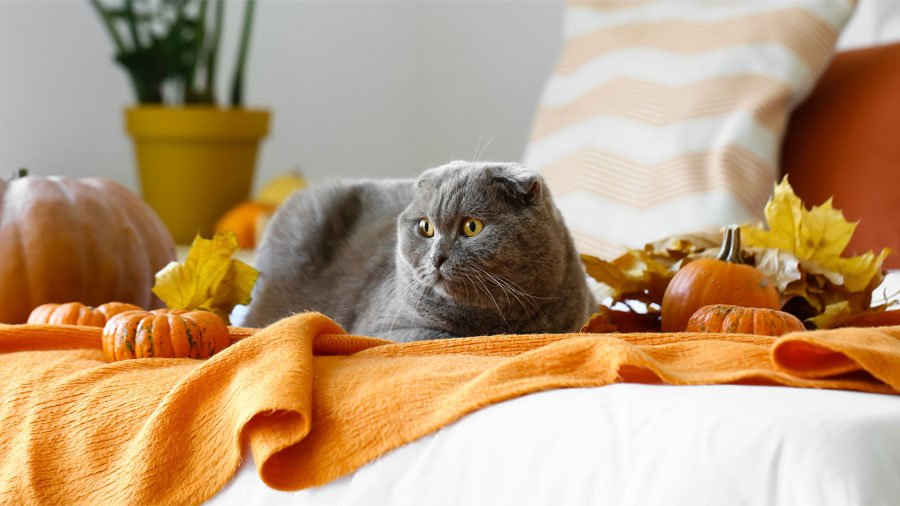
The holiday season is a time for joy, family, and celebration, but for our pets, it can also be full of hidden dangers. Between festive foods, decorations, and guests coming and going, there are plenty of potential hazards that could put your pets at risk.
Here’s what every pet parent should watch out for to ensure a safe and happy holiday for everyone.
1. Toxic Treats and Dangerous Foods
While it’s tempting to share a little holiday feast with your pet, many traditional foods can be harmful, and in some cases, deadly.
- Chocolate: A classic danger for dogs and cats, especially dark chocolate and baking cocoa.
- Xylitol: Found in sugar-free gum, candies, and some baked goods; it can cause low blood sugar and liver failure in dogs.
- Grapes and Raisins: Common in fruitcakes and cookies, these can cause kidney failure.
- Onions and Garlic: Present in stuffing and gravy, they can damage red blood cells.
- Alcohol: Even small amounts can cause serious health problems.
Tip: Keep food out of reach and remind guests not to feed your pets under the table!
2. Hazardous Holiday Decorations
Decorations add sparkle to your home, but they can be irresistible and risky for curious pets.
- Tinsel and Ribbon: Cats love to bat and chew these, but swallowing them can cause life-threatening intestinal blockages.
- Ornaments: Shiny and tempting, but broken glass or swallowed pieces can injure your pet.
- Christmas Trees: Pine needles can irritate mouths and stomachs; unsecure trees may be tipped over.
- Candles: Keep them out of tail range to prevent burns or fires.
Tip: Opt for pet-safe ornaments and secure your tree to prevent tipping.
3. Plants That Can Poison Pets
Many festive plants are surprisingly toxic to animals.
- Poinsettias: Mildly toxic, causing drooling or stomach upset.
- Mistletoe and Holly: Can cause vomiting, diarrhea, and even cardiovascular issues.
- Lilies: Extremely toxic to cats; even a small nibble can lead to kidney failure.
Tip: Choose pet-friendly silk or artificial plants if you can’t resist the holiday greenery.
4. Cold Weather Concerns
As temperatures drop, our pets face new seasonal risks.

Frostbite and Hypothermia
- Know the signs: Shivering, weakness, and pale or gray skin are warning signs of cold exposure.
- Limit outdoor time: Keep walks shorter during freezing temperatures and avoid prolonged exposure to snow or ice.
- Bundle up: Small breeds, short-haired dogs, and elderly pets may benefit from sweaters or insulated coats.
Cold-Weather Chemicals
Winter brings several products that can be harmful if ingested or absorbed through the paws.
- De-icing salts: Common on sidewalks and driveways, these can cause chemical burns, cracked pads, and stomach upset if licked.
- Ice melt products: Some contain calcium chloride or magnesium chloride, which can irritate skin and paws. Look for pet-safe or “paw-friendly” versions labeled as salt-free.
- Cleaning and snow removal sprays: Certain garage or driveway sprays used for ice prevention may leave harmful residues.
Tips for Protection
- Wipe your pet’s paws and belly with a clean, damp cloth or unscented baby wipes after walks.
- Consider using booties or paw balm to create a protective barrier.
- Designate a pet-safe path or potty area clear of salt and chemical treatments.
Warmth and Comfort Indoors
- Create cozy resting spots: Provide a soft bed away from drafts, cold floors, and space heaters.
- Be cautious with heaters and fireplaces: Pets can burn themselves or knock them over; use guards or barriers for safety.
- Monitor outdoor pets: Bring them indoors whenever possible. If they must stay outside, ensure they have insulated shelter, unfrozen water, and warm bedding.
5. Guests, Noise, and Travel Stress
The hustle and bustle of the holidays can be overwhelming for even the most social pets. Loud music, visitors, and travel can trigger anxiety, especially for pets sensitive to change.
Managing Guests and Parties
- Set boundaries: Create a quiet, pet-only room or area where your pet can retreat during gatherings.
- Keep routines consistent: Feed, walk, and play at your pet’s regular times to reduce stress.
- Watch the doors: With guests coming and going, pets can slip out easily. Consider using baby gates or leashes to prevent escapes.
- Communicate with visitors: Let guests know your house rules such as no feeding table scraps, no letting the cat outside, etc.
Handling Loud Noises and Excitement
- Provide a safe space: Use a crate, cozy corner, or separate room with soft bedding, toys, and background noise (like calm music or a white noise machine).
- Use calming aids: Consider vet-approved pheromone diffusers, anxiety wraps, or natural calming treats. In some cases, anti-anxiety medications may be needed.
Traveling With Pets
- Plan ahead: Make sure your pet is microchipped, has the appropriate vaccinations and has updated ID tags. Always check whether your travel destination or airline requires paperwork for your pet to travel. If so, schedule an appointment within the appropriate time frame and do not wait until the last minute.
- Bring familiar comforts: Pack their favorite blanket, toy, and regular food to ease anxiety.
- Check accommodations: If staying overnight, confirm pet policies and nearby emergency vet locations.
- Secure your pet for car transit: Use a crash-tested carrier or seat belt harness in the car; never let your pet roam freely.
- For long trips: Schedule breaks for water, exercise, and bathroom time.
The best gift you can give your pet this holiday season is safety and peace of mind. By being aware of these common hazards and taking a few preventive steps, you can keep the festivities merry, bright, and pet-friendly.
– Dr. Jeanette Barragan
Introducing Laser Therapy: A Gentle, Effective Treatment Option for Pets
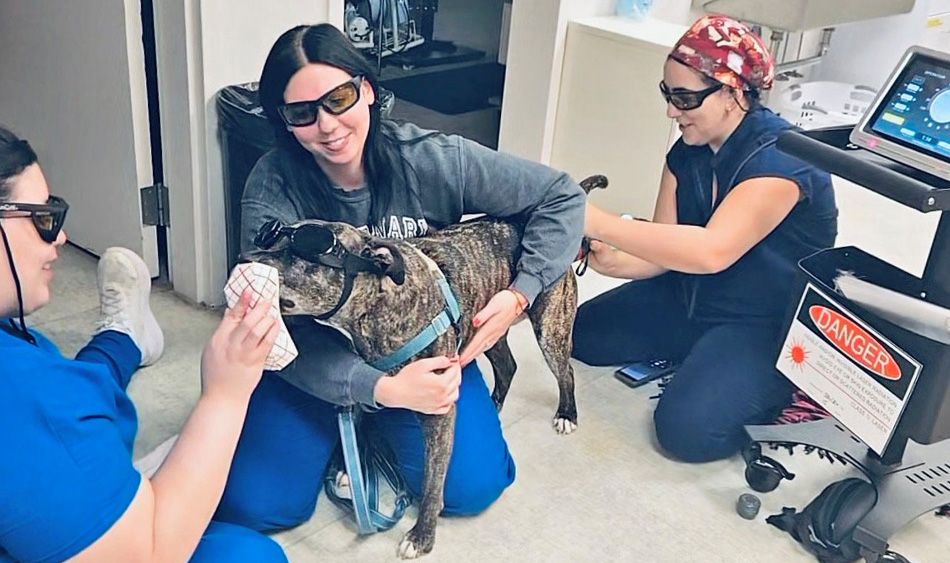
At Medical District Veterinary Clinic, we’re always looking for ways to provide pets with the most advanced, compassionate care. That’s why we’re excited to introduce laser therapy: a safe, sedation-free, non-invasive treatment designed to relieve pain, reduce inflammation, and speed up healing for dogs and cats.
Laser therapy (also called photobiomodulation) uses targeted wavelengths of light to stimulate the body’s natural healing processes. This light energy increases circulation, promotes cell repair, and releases endorphins, the body’s natural painkillers.
Treatments are completely painless, non-invasive, and sedation-free. Most pets feel a gentle warmth on their skin and are able to relax during the session.
What Laser Therapy Can Help
Laser therapy can be used to help a wide range of conditions, including:
- Arthritis and joint pain
- Muscle stiffness or injury
- Post-surgical recovery
- Wound healing and skin infections
- Ear infections and inflammation
- Dental and oral pain
- Chronic conditions that cause discomfort or decreased mobility
Because it improves blood flow and tissue repair, many pets experience increased comfort, better mobility, and faster recovery after just a few treatments.
While some pets show improvement after their first or second treatment, it typically takes 4 to 6 sessions to see the full benefits, especially for chronic conditions like arthritis. The effects are cumulative, meaning each session builds on the last. Once we achieve good pain control, many pets benefit from periodic “maintenance” sessions to keep them feeling their best.
Why Winter Is the Perfect Time to Start
As temperatures drop, pets with arthritis or joint disease often become stiffer and more uncomfortable—just like people. Starting laser therapy before or during the colder months can help manage inflammation and keep your pet more active and mobile all winter long.
Part of a Multimodal Pain Management Plan
At our clinic, we believe in multimodal pain management, combining different therapies to address pain from multiple angles. Laser therapy pairs beautifully with other approaches, such as weight management, joint supplements, medications, and physical rehabilitation. Our team will design a plan tailored to your pet’s individual needs and comfort level.
What to Expect
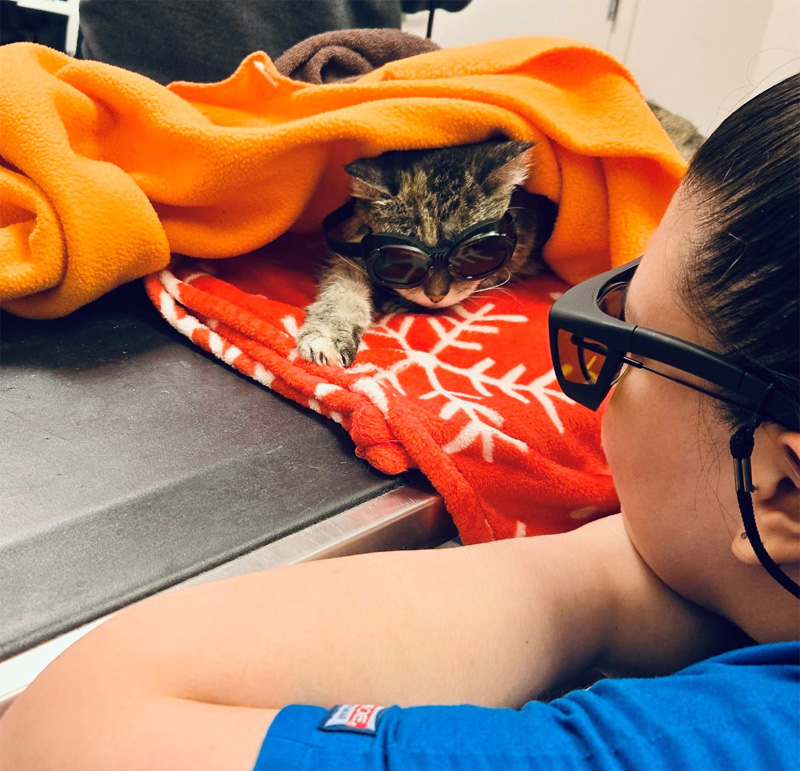
Laser therapy sessions are quick, typically lasting 15 to 30 minutes depending on how many sites need treatment. No sedation is required. Your pet can go home immediately after treatment and resume normal activities. There are no known side effects, and pets often become more relaxed and comfortable over time. Plus, they get to wear cute goggles!
Ask Us If Laser Therapy Could Help Your Pet
If your pet struggles with arthritis, pain, or slow-healing injuries, laser therapy may be a powerful addition to their care plan.
Call us or ask your veterinarian at your next visit to find out if your pet could benefit from this gentle, modern therapy.
— Ana Valbuena (she/her/ella), DVM
Introducción a la Terapia Láser: Una Nueva Opción de Tratamiento Gentil y Eficaz para Mascotas

En Medical District Veterinary Clinic, siempre estamos buscando nuevas formas de brindarles a las mascotas la atención más avanzada y compasiva. Nos complace anunciar que ahora ofrecemos terapia láser, un tratamiento seguro, sin sedación y no invasivo, diseñado para aliviar el dolor, reducir la inflamación y acelerar la cicatrización en perros y gatos.
La terapia láser (también conocida como fotobiomodulación) utiliza longitudes de onda específicas de luz para estimular los procesos naturales de curación del cuerpo. Esta energía lumínica aumenta la circulación sanguinea, promueve la reparación celular y libera endorfinas (los analgésicos naturales del cuerpo).
Los tratamientos son completamente indoloros, no invasivos y no requieren sedación. La mayoría de las mascotas sienten un calor suave sobre la piel y se relajan durante la sesión.
¿Cómo puede ayudar la terapia láser?
La terapia láser puede ayudar con una amplia variedad de afecciones, incluyendo:
- Artritis y dolor en las articulaciones
- Rigidez o lesiones musculares
- Recuperación después de cirugías
- Cicatrización de heridas e infecciones de la piel
- Infecciones e inflamación en los oídos
- Dolor dental o bucal
- Condiciones crónicas que causan dolor o disminuyen la movilidad
Al mejorar el flujo sanguíneo y la reparación de los tejidos, muchas mascotas experimentan mayor comodidad, mejor movilidad y una recuperación más rápida después de varias sesiones.
Aunque algunas mascotas muestran mejoría después de la primera o segunda sesión, normalmente se requieren entre 4 y 6 tratamientos para apreciar todos los beneficios, especialmente en problemas crónicos como la artritis.
Los efectos son acumulativos, lo que significa que cada sesión construye sobre los resultados de la anterior. Una vez que se logra un buen control del dolor, muchas mascotas se benefician de sesiones de mantenimiento periódicas para seguir sintiéndose bien.
¿Por qué el invierno es el momento perfecto para empezar?
A medida que bajan las temperaturas, las mascotas con artritis o enfermedades articulares suelen volverse más rígidas e incómodas, al igual que las personas. Empezar la terapia láser antes o durante los meses fríos puede ayudar a controlar la inflamación y mantener a su mascota más activa y móvil durante todo el invierno.
Parte de un plan integral de manejo del dolor.
En nuestra clínica, creemos en el manejo multimodal del dolor, es decir, combinar diferentes terapias para abordarlo desde varios ángulos.
La terapia láser complementa perfectamente otros enfoques como el control del peso, los suplementos articulares, los medicamentos y la rehabilitación física. Nuestro equipo diseñará un plan adaptado a las necesidades y al nivel de comodidad de su mascota.
Qué esperar
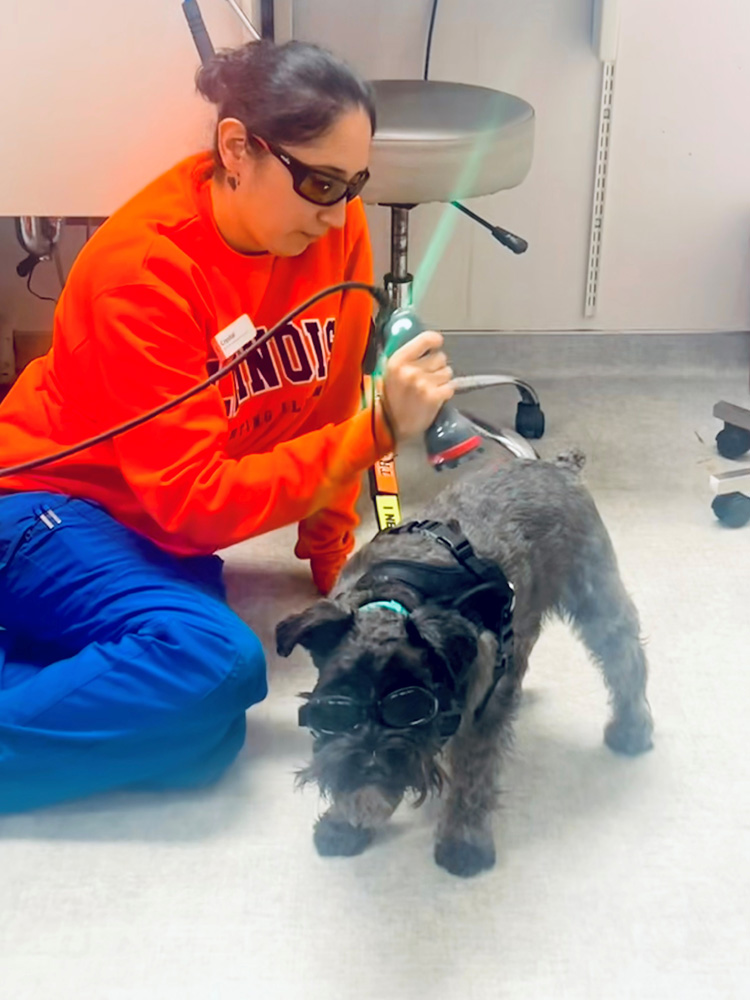
Las sesiones de terapia láser son rápidas, normalmente duran entre 15 y 30 minutos, dependiendo de cuántas áreas deban tratarse. No se requiere sedación. Su mascota podrá regresar a casa inmediatamente después del tratamiento y retomar sus actividades normales.No se conocen efectos secundarios, y con el tiempo las mascotas suelen mostrarse más relajadas y cómodas. ¡Además, usan unos lentes protectores adorables durante el tratamiento!
Pregúntenos si la terapia láser puede ayudar a su mascota.
Si su mascota sufre de artritis, dolor o lesiones que tardan mucho en sanar, la terapia láser puede ser una excelente incorporación a su plan de cuidado.
Llámenos o consulte con su veterinario en su próxima visita para saber si su mascota puede beneficiarse de esta terapia moderna y gentil.
— Ana Valbuena (she/her/ella), DVM
Leptospirosis: What You Need to Know
As pet owners, we do everything we can to keep our furry family members safe and healthy. But some illnesses (called zoonoses) don’t just affect our pets—they can also impact people.
One of those diseases is leptospirosis, a bacterial infection that this year has been reported more frequently in Chicago than is typical. Leptospirosis is both preventable and important to understand.
What Is Leptospirosis?
Leptospirosis is caused by Leptospira bacteria, which thrive in warm, wet environments.
- The bacteria live in soil and water contaminated with urine from infected animals (rats, other rodents, dogs, livestock, wildlife).
- The bacteria can survive for weeks to months in moist environments and are more widespread after heavy rains or flooding.
- Humans typically become infected when contaminated water or soil enters the body through cuts or mucous membranes, such as eyes, nose, and mouth. They may also become infected via direct contact with infected animal urine.
- Symptoms in people can be mild—fever, chills, muscle aches, headache, vomiting—but sometimes the condition becomes more serious, affecting kidneys, liver, or lungs. In rare severe cases, it can lead to organ failure. Because of this, it’s considered a public health concern, not just a veterinary one.
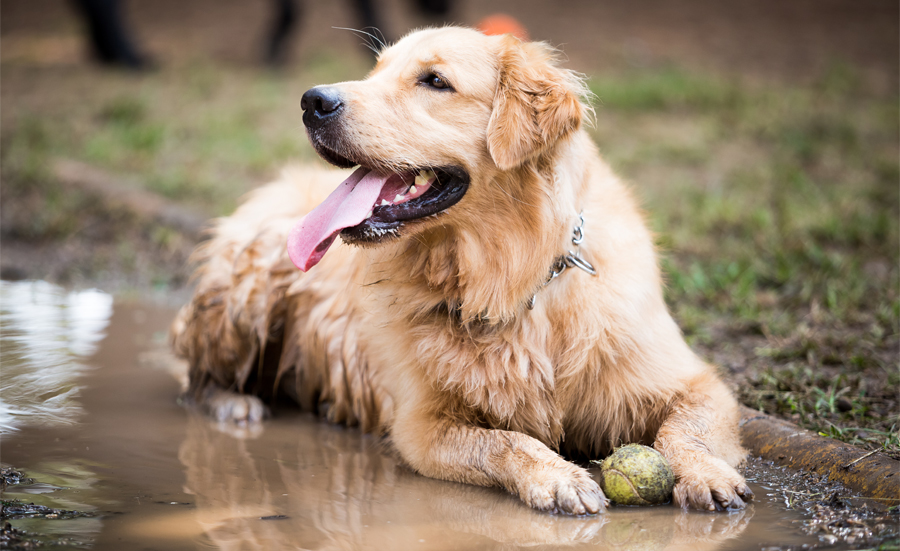
Pets (especially dogs) can become infected. A common way dogs become infected is drinking water contaminated with the bacteria. Once infected, dogs can display symptoms like:
- Fever, lethargy, or loss of appetite
- Vomiting and diarrhea
- Icterus/Jaundice (yellowing of the skin or eyes)
- Kidney or liver damage
Treatment is possible, especially when caught early. In severe cases, leptospirosis can be life-threatening.
How Pet Owners Fit In
When pets contract leptospirosis, public health authorities may take note regarding a potential outbreak. Additionally, pets could transmit the bacteria to humans, though this means of transmission is less common than environmental exposure.
Here are several ways pets are involved:
- Dogs can become infected and shed the bacteria through their urine, which could contaminate the home or yard.
- While walking their pets, people may enter into environments, such as parks, mud, or flooded areas, where contaminated water or soil might be present.
- Pets may track contaminated materials into homes.
2025 Leptospirosis Cases in Chicago
Recently, there has been a noticeable uptick in human leptospirosis cases in Chicago. Because of this increased risk, local health authorities have issued alerts and are encouraging the public to be more aware.
Here are some key points regarding the recent cases:
- Six human cases have been reported so far in 2025— more than the usual number. Historically, Chicago sees about two cases per year.
- Four of these 2025 cases had symptom onset between mid-July and late August.
- The cases have been clustered in neighborhoods such as Logan Square and West Town, according to an article in the Chicago Sun-Times.
Protecting Your Pet—and Yourself
The good news is that leptospirosis can often be prevented with practical steps:
- Vaccinate dogs. A safe and effective vaccine is available and is recommended for dogs at risk of exposure. Increasingly across the U.S., this is considered a core vaccine. And while no vaccine is perfect, this is considered a key line of defense. Talk to your veterinarian to see if it’s appropriate for your pet.
- Avoid standing water. Don’t let your dog drink from puddles, ponds, or other stagnant water sources, especially after heavy rains or flooding. Maintain good drainage in your yard.
- Practice good hygiene. Always wash your hands after handling your pet, especially if you’re cleaning up urine, and wash your hands after working in the yard. Cover wounds with waterproof bandages. Wear waterproof gloves and closed-toe footwear when you are gardening or performing yard work.
- Control rodents and wildlife. Report rodent sightings to 311 and secure lids on trash bins. Clean up fallen fruit, keep pet food indoors if possible, and seal entry points where possible to keep rats out of yards.
Why Awareness Matters
Leptospirosis reminds us of how closely our health is tied to that of our pets and the environment we share. By protecting our dogs, we’re also protecting our families and communities.
Leptospirosis infections are still relatively uncommon, but it’s important to know how the disease is transmitted and that there are increased risks after flooding/heavy rains and with rodent exposures.
If your dog shows signs of illness—or if you think you may have been exposed—call us for help or contact your healthcare provider right away.
– Dr. Amanda Hampton
Stress and Anxiety in Cats and Dogs
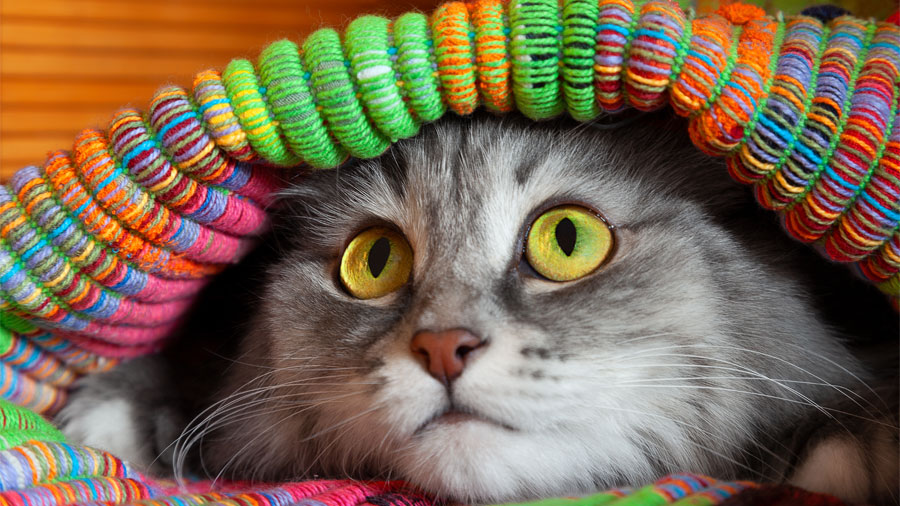
Cats and dogs, just like people, cope with nerves and stress in different ways. For example, Fluffy might tremble his little legs off at his annual wellness exam, while Cleo the cat might need emergency care for a urinary blockage after an owner’s weekend away from home. Coco might attempt to chew the front door down every time mom takes the garbage out, and Simba might react to a new kitten brought home from the shelter by urinating every single place except his litter box.
Pets can display stress and anxiety in various ways, and it is important to recognize the signs, which can impact your pets’ over all well-being. Knowing how to recognize and manage the signs can help your pet feel safe and comfortable in out-of-routine situations or before a known stressor arises.
Owners also need to recognize and distinguish between anxiety and aggression. Fortunately early training and socialization can yield great benefits.
Recognizing Signs
A very common sign of stress is change in overall behavior. Whether a pet is hiding and avoiding interaction or being extremely clingy and constantly seeking attention, any change outside of their usual behavior can be indicative of stress or other potential health concerns. Changes in appetite, both increased and decreased, along with vomiting or diarrhea can also be signs of stress. Any changes to your pet’s behavior requires veterinary input to rule out underlying health conditions as the culprit.
Learn to recognize patterns in your pet’s behavior. For example, if every time there is a thunderstorm, Nala hides in the closet for three days and doesn’t eat any of her favorite treats, maybe we need to pre-treat her with calming supplements or her favorite nature background sounds when it’s raining. If Kitty overgrooms herself every time her pet parents are away for the weekend, maybe she needs anxiety medication while they are away or a daily calming probiotic in the months before the trip.
Pets can’t always tell us when they are stressed or anxious, so they show us. It is important to be able to distinguish those changes. Other signs that can be indicative of stress in a pet include excessive vocalization, destructive behaviors such as excessive chewing/licking or digging, avoidance or hiding, pacing or restlessness, inappropriate urination or defecation, changes in grooming behavior, shaking, panting, drooling, etc.
Common Causes
- Many pets experience separation anxiety when separated from their owners. It is more common in dogs than cats. It is difficult for pets to be left alone for extended periods. Pets with separation anxiety can often display behaviors such as excessive vocalization like barking or howling, destructive behaviors like chewing or biting items or themselves, or showing signs of distress like panting or pacing.
https://veterinarypartner.vin.com/default.aspx?pid=19239&id=10375180 - Situational anxiety is just as it sounds. Pets can get stressed with independent situations such as veterinary visits, car rides, grooming appointments, nail trims, baths, etc. This can also be a trauma response, so a thorough history is important to assess a patient as a whole.
https://veterinarypartner.vin.com/default.aspx?pid=19239&id=10052310
https://veterinarypartner.vin.com/default.aspx?pid=19239&id=10767212 - Dogs and cats have heightened senses and are more sensitive to loud noises. Noise phobia can include thunderstorms, fireworks, and even loud household items, like the blender or the vacuum. Loud knocks from guests or even the garbage truck can cause noise-related anxiety in some pets.
https://veterinarypartner.vin.com/default.aspx?pid=19239&id=4952947 - Changes in routine or environment such as moving to a new home, a new person/pet in the home, or just out-of-the-ordinary routine can lead to stress and anxious behaviors. Cats tend to be more sensitive to this than dogs.

Management
There are many ways to help manage stress and anxiety in cats and dogs. However, one shoe does not fit all. What works for one patient may not work for another patient. One patient might need calming music and a pheromone spray prior to a thunderstorm, while another needs a light sedative.
Environmental changes, enrichment, and supplements can serve as great tools to help alleviate mild anxiety and put some patients’ mind at ease in stressful situations. Such tools include calming supplements, pheromone sprays, calming music, calming probiotics, and ThunderShirts®. Helpful environmental changes may include moving Fluffy’s cat tree away from the scary window because he gets startled when the garbage truck passes weekly.
Puzzle toys, snuffle mats, and licking mats are great for enrichment, as they keep patients entertained and their brain stimulated to help cope with stress and anxiety. Licking mats can be a great hit. (Bonus points if you apply peanut butter, canned food, or plain yogurt!) Licking mats can also be frozen to help your pet stay cool in the summertime. Freezing also keeps them busy longer. Make sure you do your research on pet-safe treats.
While supplements and enrichment work well for some patients, others need anxiety medications for stressful situations. Some pets may require daily long-term mediations to manage stress, just as some humans do.
Medical management can sound scary, however there are many medications that can help alleviate stress and anxiety in your pet. Treatment of behavior disorders require training in addition to medications.
- Trazodone is used to manage short -term anxiety, such as vet visits, travel, car rides, thunderstorms, and fireworks. It works by increasing serotonin levels in the brain. Most pets experience relief within just two hours.
- Gabapentin is a multimodal drug that works well for pain, anxiety, and—surprisingly—seizures, depending on the dosing. It is commonly used in cats with situational anxiety and can reach peak activity within two hours.
- Fluoxetine is a long-term daily anxiety medication that is used for humans as well. It is an SSRI (selective serotonin reuptake inhibitor). Serotonin is a neurotransmitter associated with mood. As mentioned, fluoxetine is a long-term anxiety medication, and it may take weeks to see its full effects.
There are many ways to classify anxiety, and many different ways patients show clinical signs of anxiety. If you suspect your pet could be experiencing stress or anxiety, reach out to your local veterinarian or pet behaviorist.
— Dr. Angélica Calderón
Estrés y Ansiedad en Gatos y Perros

Así como las personas les dan nervios y estrés de diferentes maneras, los gatos y los perros también lo hacen. Esto puede variar desde Fluffy temblando con sus pequeñas patitas en su examen anual,o Cleo el gato presentándose en la clínica de emergencias con una obstrucción urinaria después de que su dueño se fue de fin de semana. También por ejemplo, Coco muerde la puerta de entrada cada vez que mamá saca la basura, o Simba orinando en cada planta excepto en su caja de arena después de traer a casa un nuevo gatito de afuera.
Las mascotas pueden mostrar estrés y ansiedad de diferentes maneras y es importante entender y reconocer los signos, causas y formas de manejar estos signos, ya que esto puede afectar el bienestar general de tus mascotas. Saber cómo reconocer y manejar estos signos puede ayudar a que tu mascota se sienta segura y cómoda en situaciones fuera de la rutina o como precaución antes de estresores ya conocidos. También es importante reconocer y distinguir la ansiedad de la agresión y hay grandes beneficios de el entendimiento y socialización temprano.
Reconociendo Señales
Una señal muy común es el cambio en el comportamiento general. Ya sea que una mascota se esté escondiendo y evitando la interacción o sea extremadamente dependiente y busque constantemente atención. Cualquier cambio fuera de su comportamiento habitual puede ser indicativo de estrés u otras posibles preocupaciones de salud. Cambios en el apetito, tanto en aumento como en disminución, junto con vómitos o diarrea, también pueden ser señales de estrés. Sin embargo, es muy importante buscar ayuda veterinaria ante cualquier cambio en tu mascota, ya que otras condiciones subyacentes de salud pueden mostrar señales similares y es importante descartar otras condiciones de salud como la causa.
También es importante reconocer los patrones en el comportamiento de tus mascotas. Por ejemplo, si cada vez que hay una tormenta Nala se esconde en el armario durante tres días y no come ninguno de sus bocadillos favoritos, tal vez debamos darle suplementos calmantes o sonidos de fondo de naturaleza que le gusten cuando llueve. Si Kitty se sobreacicala cada vez que sus dueños están fuera durante el fin de semana, tal vez necesite medicación para la ansiedad mientras están ausentes o un probiótico calmante diariamente meses antes.
Las mascotas no siempre pueden decirnos si están estresadas o ansiosas, así que nos lo muestran y es importante que podamos distinguir esos cambios. Otros signos que pueden ser indicativos de estrés en una mascota incluyen vocalización excesiva, comportamientos destructivos como masticar/lamer o cavar en exceso, evitación o esconderse, andar de un lado a otro o inquietud, micción o defecación inapropiadas, cambios en el comportamiento de acicalamiento, temblor, jadeo, babeo, etc.
Causas Comunes
- La ansiedad por separación es un tipo de estrés que muchos animales experimentan al ser separados de sus dueños, siendo más común en perros que en gatos. Les resulta difícil quedarse solos durante períodos prolongados. Las mascotas con ansiedad por separación pueden mostrar comportamientos como vocalización excesiva, como ladridos o aullidos; comportamientos destructivos, como morder o masticar objetos o a sí mismos; o mostrar signos de angustia, como jadear o caminar de un lado a otro.
https://veterinarypartner.vin.com/default.aspx?pid=19239&id=10375180 - La ansiedad situacional es exactamente lo que suena. Las mascotas pueden estresarse en situaciones independientes como visitas al veterinario, viajes en coche, citas de peluquería, cortes de uñas, baños, etc.
https://veterinarypartner.vin.com/default.aspx?pid=19239&id=10052310
https://veterinarypartner.vin.com/default.aspx?pid=19239&id=10767212 - Los perros y los gatos tienen sentidos agudizados y son más sensibles a los ruidos fuertes. La fobia al ruido puede incluir tormentas eléctricas, fuegos artificiales e incluso elementos ruidosos del hogar como la licuadora o la aspiradora. Cuando los invitados tocan la puerta o incluso el camión de la basura pueden causar ansiedad relacionada con el ruido en algunas mascotas.
https://veterinarypartner.vin.com/default.aspx?pid=19239&id=4952947 - CLos cambios en la rutina o el entorno, como mudarse a un nuevo hogar, la llegada de una nueva persona/mascota en casa, o simplemente salir de la rutina ordinaria, pueden llevar al estrés y comportamientos ansiosos; los gatos tienden a ser más sensibles a esto que los perros.
Mantenimiento
Hay muchas maneras de ayudar a manejar el estrés y la ansiedad en gatos y perros; sin embargo, un enfoque no sirve para todos. Lo que funciona para un paciente no necesariamente significa que funcionará para otro paciente. Un paciente podría necesitar música relajante y un spray de feromonas antes de una tormenta, sin embargo, otro paciente podría necesitar un medicamento sedante ligero.
Los cambios ambientales, el enriquecimiento y los suplementos pueden ser grandes herramientas para ayudar a aliviar la ansiedad leve en algunos pacientes y tranquilizarlos en situaciones estresantes. Estos incluyen suplementos calmantes, sprays de feromonas, música relajante, probióticos calmantes y ThunderShirts®. Esto también puede significar cambios ambientales como mover el árbol para gatos de Fluffy lejos de la ventana aterradora porque se asusta cuando pasa el camión de la basura semanalmente.
Los juguetes rompecabezas y las alfombrillas olfativas son excelentes para el enriquecimiento, ya que mantienen a los pacientes entretenidos y estimulan su cerebro para ayudar a afrontar el estrés y la ansiedad. Los suplementos y el enriquecimiento funcionan muy bien para algunos pacientes, sin embargo, muchos pacientes necesitan medicamentos para la ansiedad en situaciones estresantes y, a veces, incluso mediaciones a largo plazo diarias, al igual que los humanos.
La gestión médica puede sonar aterradora, sin embargo, hay muchos medicamentos que pueden ayudar a aliviar el estrés y la ansiedad en su mascota. El tratamiento de los trastornos de comportamiento requiere entrenamiento además de medicamentos.
- Trazodone es un medicamento que se utiliza para tratar la ansiedad a corto plazo, como visitas al veterinario, viajes, paseos en automóvil, tormentas y fuegos artificiales. Funciona aumentando los niveles de serotonina en el cerebro y la mayoría de las mascotas experimentan alivio en solo dos horas.
- Gabapentin es un fármaco multimodal que funciona bien para el dolor, la ansiedad y, sorprendentemente, para las convulsiones, dependiendo de la dosificación. Esto se usa comúnmente en gatos con ansiedad situacional y puede alcanzar su actividad máxima en dos horas.
- Fluoxetine es un medicamento para la ansiedad de uso diario a largo plazo que también se utiliza para humanos. Es un ISRS (inhibidor selectivo de la recaptación de serotonina), la serotonina es un neurotransmisor asociado con el estado de ánimo. Como se mencionó, la fluoxetina es un medicamento para la ansiedad a largo plazo y puede llevar semanas ver sus efectos completos.
Hay muchas maneras de clasificar la ansiedad y cada paciente que presenta signos clínicos puede ser muy diferente. Hablar con su veterinario es muy importante si sospecha que su mascota podría estar experimentando estrés o ansiedad.
— Dr. Angélica Calderón